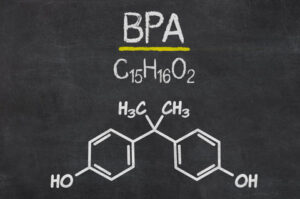
What Is BPA?
BPA, short for bisphenol A, is a synthetic chemical used to make certain hard plastics and the epoxy resins that line many food and beverage containers. It has been produced at industrial scale for decades and shows up in a surprising number of everyday items, from reusable bottles and food storage containers to the internal coatings of cans and some water pipes.
Because BPA is so widely used, small amounts can migrate out of these materials and into the food and water they touch. That is why understanding where BPA comes from, and how to limit your exposure, matters for any household that cares about clean drinking water.
Why People Are Concerned About BPA
BPA is what researchers call an endocrine disruptor, meaning it can mimic or interfere with hormones in the body. Regulatory agencies continue to study it, and their positions have evolved over time. The U.S. Food and Drug Administration currently considers BPA safe at the very low levels found in some foods, while continuing to review new research.
Independent studies have explored possible links between BPA exposure and a range of health topics, including:
- Hormone balance and reproductive health
- Brain development and behavior in infants and children
- Heart and cardiovascular health
- Long-term cellular and metabolic effects
It is important to be clear: much of this research is ongoing and some findings are inconclusive. Still, many families prefer to reduce their BPA exposure where they easily can, especially in the water they drink every day.
How BPA Gets Into Your Water
Most human exposure to BPA happens through food and drink rather than the air. Common sources include:
- Plastic water bottles and food containers that contain BPA
- The epoxy resin linings inside some cans and beverage containers
- Older plumbing components and fittings that use BPA-based materials
Heat and time make the situation worse. Leaving a plastic bottle in a hot car or microwaving food in a plastic container can increase how much BPA leaches into what you consume.
How to Reduce Your BPA Exposure
You cannot control every source of BPA, but a few simple habits go a long way:
- Choose products clearly labeled BPA-free.
- Avoid storing or heating food and drinks in plastics that may contain BPA.
- Never microwave food in plastic containers, and do not pour hot liquids into them.
- Reduce your reliance on single-use bottled water.
- Filter your tap water at home so you have a safe, convenient source you control.
How Water Filtration Helps
Filtering your water at home is one of the most practical steps you can take. A quality drinking water filter that uses activated carbon and multi-stage media is designed to reduce a wide range of contaminants and improve taste and odor, while giving you a reliable alternative to bottled water stored in plastic.
By filling your own BPA-free bottles from a home filtration system, you cut down on plastic waste, save money over time, and take direct control of the water your family drinks.
Explore our water filtration systems and replacement cartridges to find the right fit for your home.
Frequently Asked Questions
Is there BPA in my tap water?
BPA can enter water through plastic containers and certain pipe or tank linings. Levels vary widely by source and storage. If you are concerned, a home water filter gives you a consistent, controllable source of drinking water.
Does a water filter remove BPA?
Filters built around high-quality activated carbon are designed to reduce many organic contaminants and improve water quality. For specifics on what a given system is certified to reduce, always check that product’s specifications before you buy.
What does “BPA-free” actually mean?
BPA-free means the product was manufactured without bisphenol A. It is a helpful label to look for on bottles, containers, and filtration components you use every day.
Cleaner Water, Fewer Worries
Limiting BPA does not have to be complicated. Filter your water, choose BPA-free products, and skip the bottled-water habit. If you would like help choosing a filtration system for your home, our team is happy to point you in the right direction. Contact our support team and we will help you find the right fit.